
Jan 12, 2026
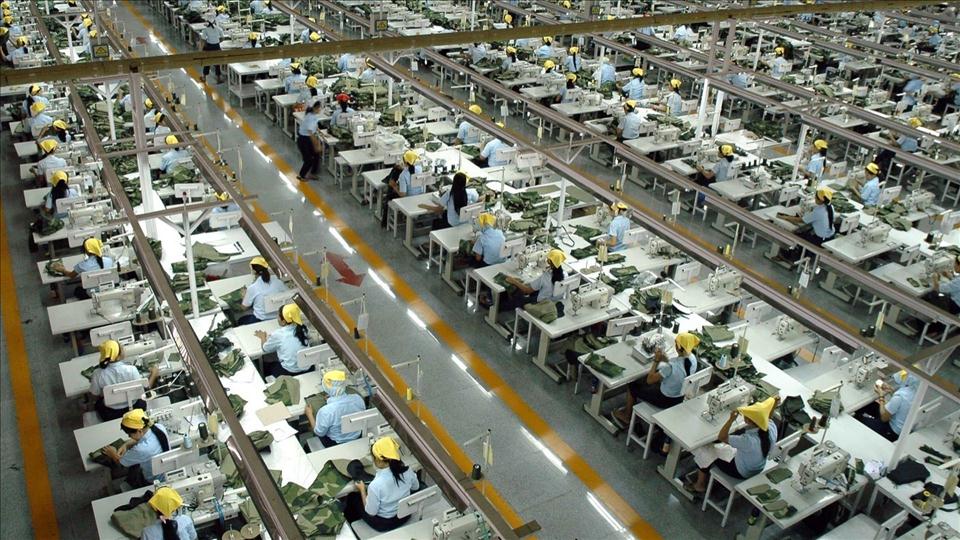
California’s SB 707 is redefining responsibility in the apparel and textile industry. America’s first comprehensive Extended Producer Responsibility (EPR) law for textiles, SB 707 shifts how brands, manufacturers, and sellers operate by requiring producers to take responsibility for the full lifecycle of the products they bring to market.
Understanding who qualifies as a “producer” is one of the most important first steps toward compliance—and strategic advantage.
SB 707 takes a broad view of responsibility. A “producer” is not just the factory making the garment—it includes any entity with meaningful influence over how products are designed, made, imported, or sold in California.
Manufacturers
Companies directly involved in the creation of apparel, textiles, and related products. Manufacturers play a critical role through decisions about design, materials, construction, and production methods.
Brand Owners
Brands that control how products are developed and marketed. This includes making key decisions about materials, quality, pricing, and production partners—even if manufacturing is outsourced.
Importers
Companies that import apparel or textiles for wholesale or distribution in California. Importers are responsible for ensuring the products they bring into the state comply with environmental and recycling requirements.
Retailers
Retailers influence what gets produced through purchasing decisions. By selecting which products reach consumers, retailers play a meaningful role in shaping the market—and may carry producer responsibility under SB 707.
Wholesalers and Distributors
Entities that control product distribution or exert influence over how goods are positioned and sold may also be considered producers, particularly when brand ownership or manufacturing responsibility is unclear.
As SB 707 takes effect, producers must assess how their businesses operate—from design through end of life. Compliance is not just a reporting exercise—it demands operational clarity, strategic planning, and proactive management of financial exposure and proactive mitigation.
Key areas to evaluate include:
SB 707 is not just about compliance—it’s about accountability. The brands that succeed will be those that embrace lifecycle responsibility as part of their business model, using circularity to reduce risk, build trust, and create long-term value.
Understanding whether you are a producer is the first step. Acting on it is where the opportunity begins and we'd love to help.
Let's Talk
Explore



We help brands think beyond the first sale.
© 2026 Afflare All Rights Reserved